


“I can’t change the facts of what happened to me, but I can change the telling of it. In these situations, the narrative, or being silent about it, usually benefits the man.”
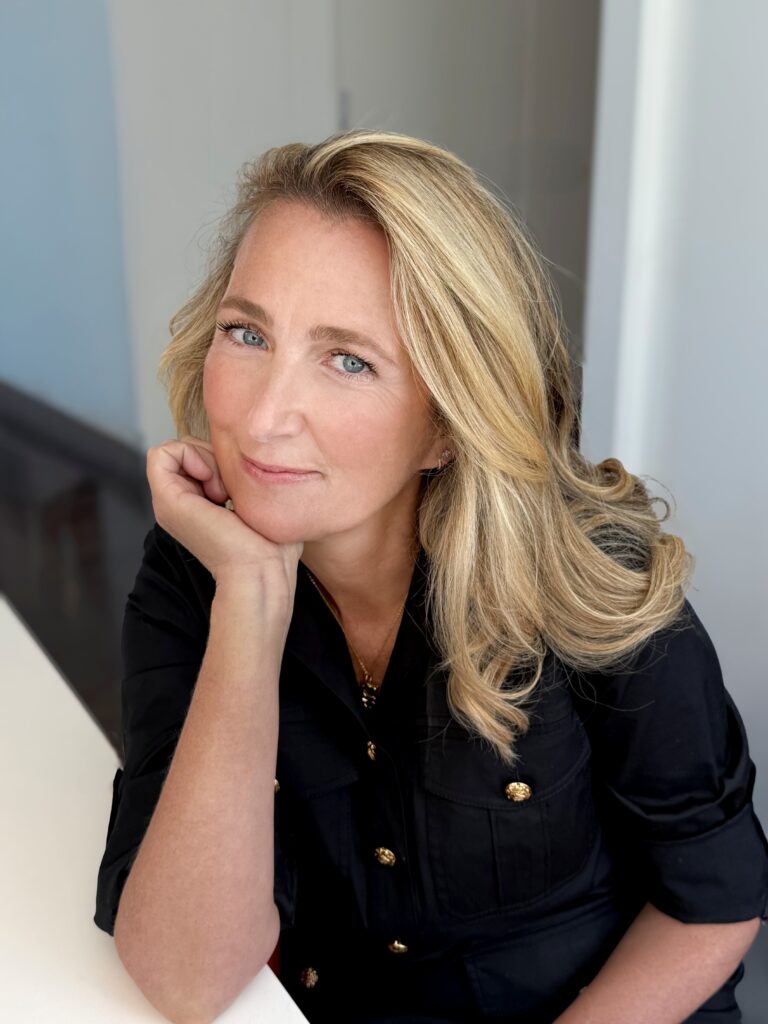
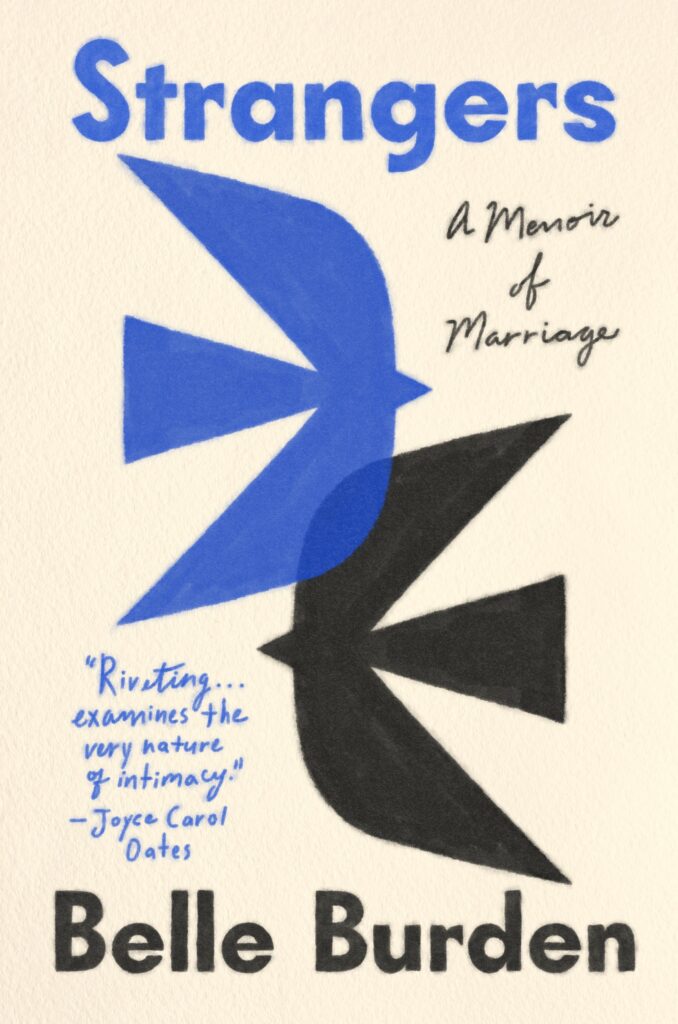
A Manhattan society fairy tale crashes overnight when a financier husband walks out on a 20-year marriage with no explanation in the first days of COVID. This is the story of Belle Burden’s Strangers, which takes us through her family’s ordeal, her legacy as the granddaughter of New York’s legendary Babe Paley, the harrowing social dynamics and values (or lack of) of the city’s denizens — and a sandwich-making scene that sparked more rage than the line at Russ & Daughters. JANET MERCEL sits down with the author the day after her book debuts.
“Strangers” is an instant bestseller and getting so much press attention.
I experienced some of the emotional stages already when the “Modern Love” piece came out in The New York Times. It took so long, and I had time to think about what it might feel like. I had that ‘what have I done’ moment, but it passed quickly in the thrill of a byline and being a writer. The book was that on a bigger scale, plus the elation of being published. Although that, too, was tempered by some reactions.
What reactions?
I’m very sensitive and I take it all in, but I’m not surprised by a lot of it. There are a few separate criticism buckets that I predicted, like people saying, how could I do this, I’m hurting my kids and their father. Or that I’m privileged, or too name-droppy. And then there’s the literary criticism bucket, of having the book out in hands. I feel very lucky, but it’s also a huge wave of total exposure on every front. Even the physical exposure of it. Like realizing, wow, the Times really does not airbrush.
It’s not name-droppy if it’s your family.
It’s funny how different outlets have treated it. Town & Country and Vanity Fair loved the family thing. And I was shocked to see the Times review. There was a lot of positive stuff in it, but did you see– they used an old photo of me with Brooke Astor. I thought, why are you running that picture? I’ve barely met her. But then I went on “Good Morning America,” and they couldn’t care less who Babe Paley is. They were interested in the divorce and marriage story.
“I went on “Good Morning America,” and they couldn’t care less who Babe Paley is. They were interested in the divorce and marriage story.”
You’ve always been an intensely private person. In your NYT opinion piece about your grandmother Babe Paley, you wrote that you wish she could have been bold enough to tell her own story and claim it before it could be stolen. Is that why you were able to write the book?
I can’t change the facts of what happened to me, but I can change the telling of it. In these situations, the narrative, or being silent about it, usually benefits the man. When I would talk about my husband cheating and leaving me, I would feel a tipping point in the conversation. If you go into too much detail, you become this kind of character— the angry woman who was ditched. People look down or look away. I learned to censor myself. This idea of talking about divorce is very uncomfortable for people, especially in a certain community, this very married community.
Is the married set the old-school New Yorkers?
More like the finance community. There’s a strong sense that you have to protect the man. Unless he’s done something really unforgivable – like lost all your money – the instinct is to protect and defend.
“I mostly received great kindness. The backs that turned on me were the minority. But of course, it’s those few rough, sexist reactions that stand out.”
Some of the most heartbreaking moments are when you were seeking solace and comfort, and people didn’t want to hear it.
I mostly received great kindness. The backs that turned on me were the minority. But of course, it’s those few rough, sexist reactions that stand out. When the “Modern Love” piece came out, there were people that jumped to my ex’s defense, that I was doing something terrible to him. I still have that tape that plays in my head, the worry and concern for him.
Those social moments at your club on the Vineyard or at dinner parties were chilling. The men you spoke to, even when they meant well, treated your divorce and the dismantling of your whole life like it was just a game.
I think men do change in that world of New York finance and money.
I told my husband he needs to read your book. It feels like a cautionary tale from a woman’s perspective that every man should read.
I love when men read it. I’ve had male friends and husbands of friends write me long messages that they read it all in one sitting. It feels important to them to address a man’s middle age struggle, but to distinguish themselves from guys like my ex. My closest male friend, my daughter’s godfather, told me something like, at this age a lot of men feel like they see their families and they’re on the outside looking in. There’s a disassociation.
I wonder who’s doing that. Is it on the women in the equation, or are men distancing themselves?
People will say it takes two people to end a marriage, two to tango, etcetera. I don’t accept blame in that way—if someone doesn’t tell you what’s happening, how can you change? But it does make you examine your life. For 20 years, my family enterprise was about his work; the number one focus was to benefit his dream and priority. If he couldn’t make the parent-teacher conference, it was to the benefit of all of us, right? I made myself financially vulnerable. What decisions did I make that put me in the place I am now?
You describe a different betrayal in your father’s secret use of diet pills, which may have contributed to his death. It’s the kind of thing that feels innocent or vain—like getting a little Botox your partner doesn’t know about—until it isn’t. It’s difficult to know when that line has been crossed, when small private choices turn us into “strangers” in a marriage.
You’re the only journalist who’s brought that up. It was a scary thing to include, but I did, with my stepmother’s permission, because it was relevant. When my father died, we protected the behavior of another man whose choice had really affected us, and there was a real feeling of betrayal. They had a wonderful marriage, but there was this secret thing he thought he was getting away with. As you both grow and change, having the courage to talk about things, rather than staying quiet, makes it less likely that your partner will have some hidden part of himself.
You wrote in the book about being single at 50 after 20 years and the social ramifications. Has the story coming out changed your self-confidence or the way you think about your public persona?
If you had told me five years ago that I’d stay single I would have been shocked, but I’m still on my own and much more comfortable with it. When I first divorced, I felt that shame of no longer being a part of something, the shame of being “unwanted.” Now I date less and less, and I’m more confident in that place. I know that no matter what happens I will still be the matriarch of my family and be here to welcome grandchildren. I will be ok no matter how people view me.
BUY Strangers HERE
