


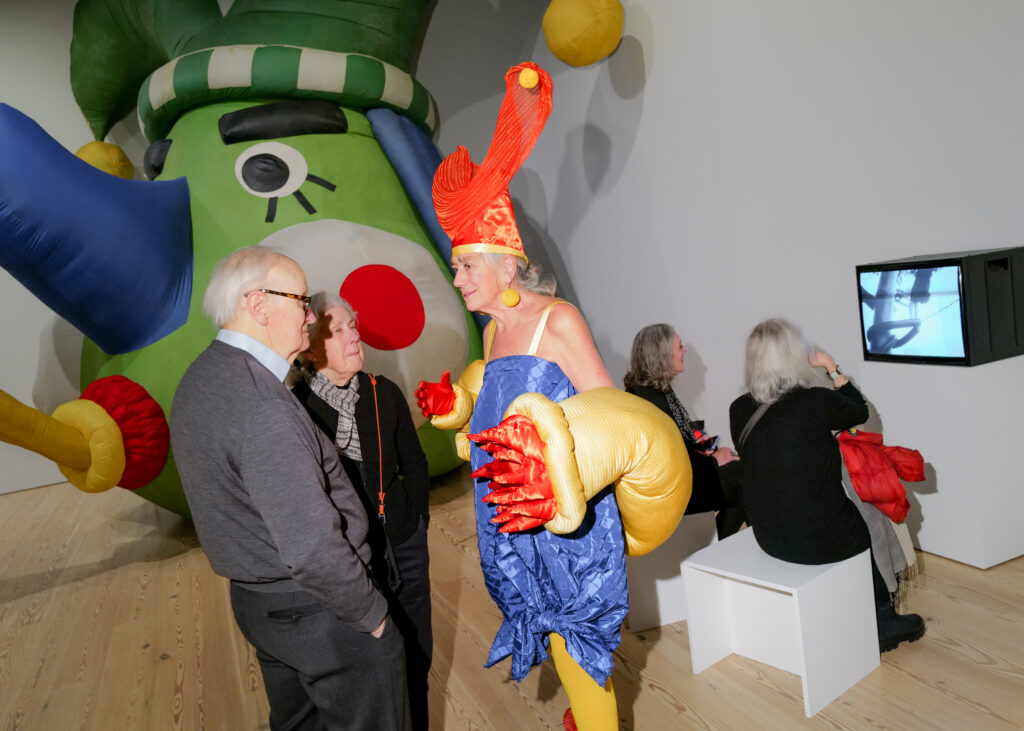
“Pat Oleszko wears cartoonish arms. Her piece “Blowhard” is a giant inflatable clown head blowing fire through a trumpet.”
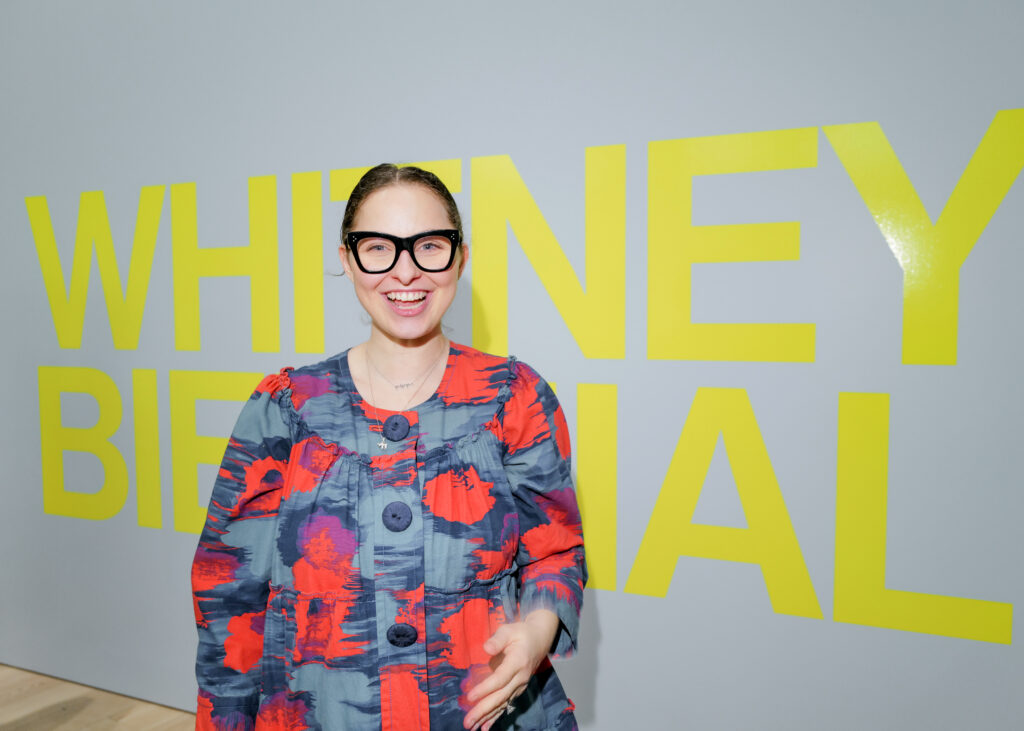
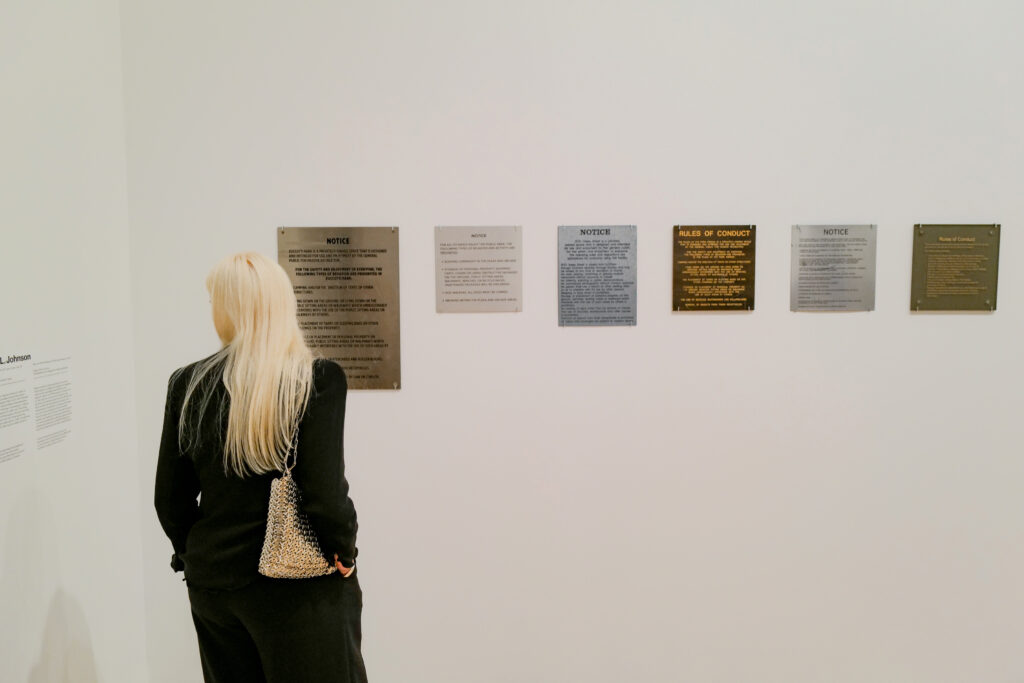
The Whitney Biennial, curated this year by Marcela Guerrero and Drew Sawyer, always sparks controversy in art circles. Guerrero and Sawyer chose artists from across the globe: Afghanistan, Iraq, Japan, the Philippines, Vietnam and Iran. The art expresses kinship—not only familial ties, but alliances across species, technology and geography. That logic maps my route.
Pat Oleszko wears cartoonish arms. Her piece “Blowhard” is a giant inflatable clown head blowing fire through a trumpet – a protest with humor and outrageousness. Kekahi Wahi’s video pulls me into a different tempo, exploring the relationship to land and lineage with a playful 20-minute workout video set against the tropical shore of Kealakekua Bay.
“This year the Biennial feels like a conversation – uneven, generative, political and sometimes disquieting.”
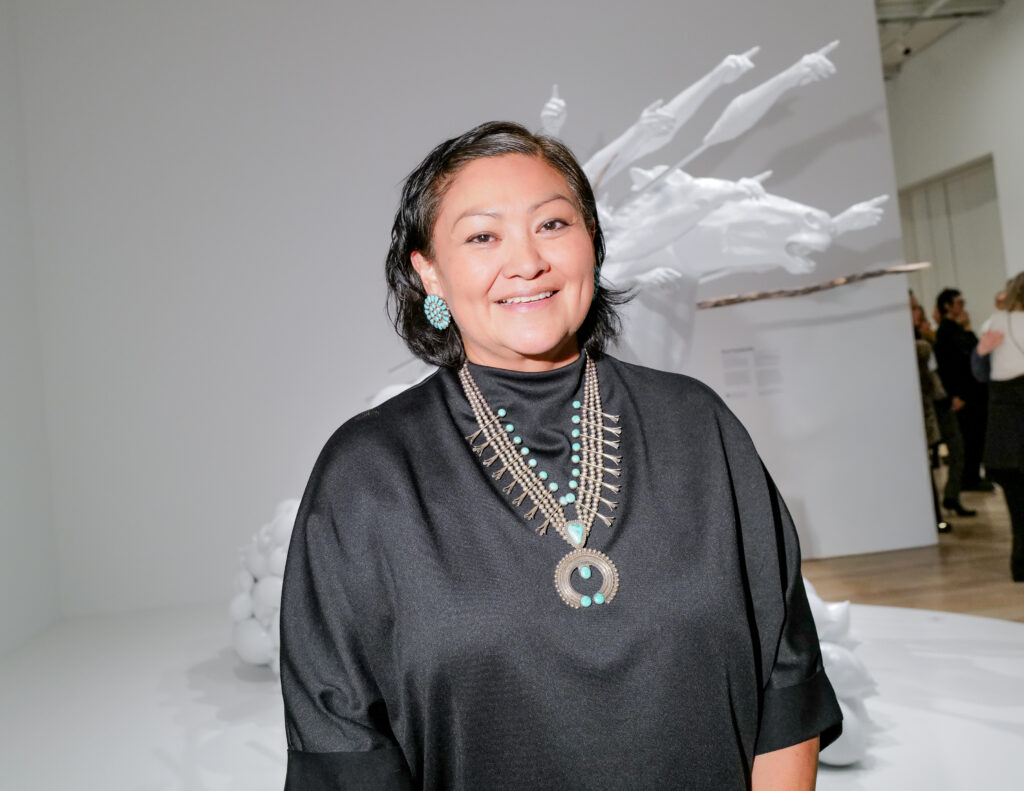
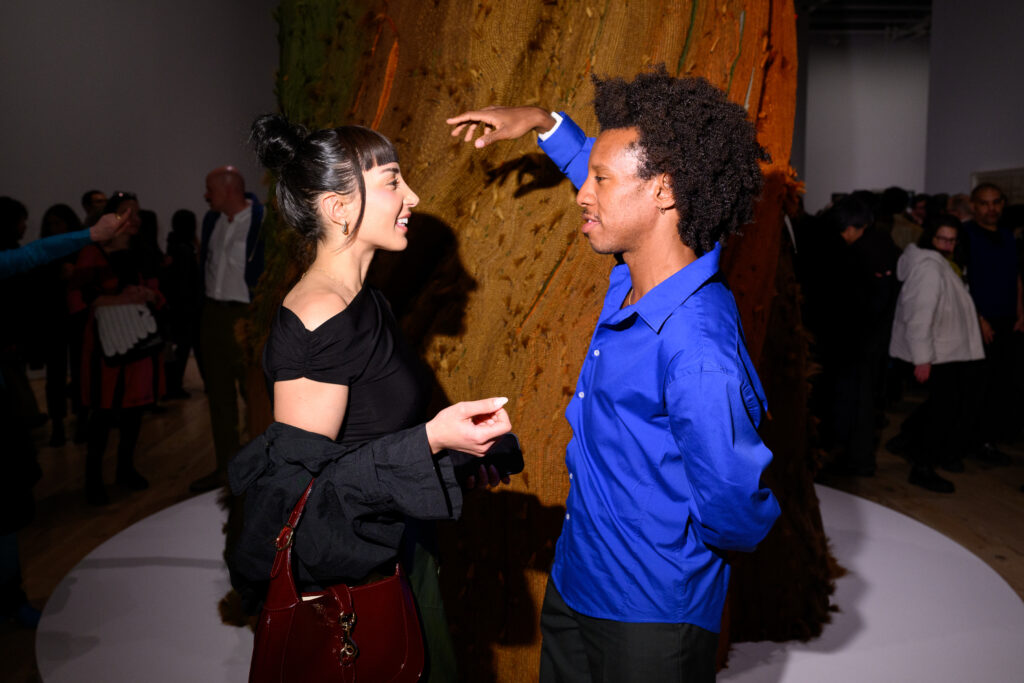
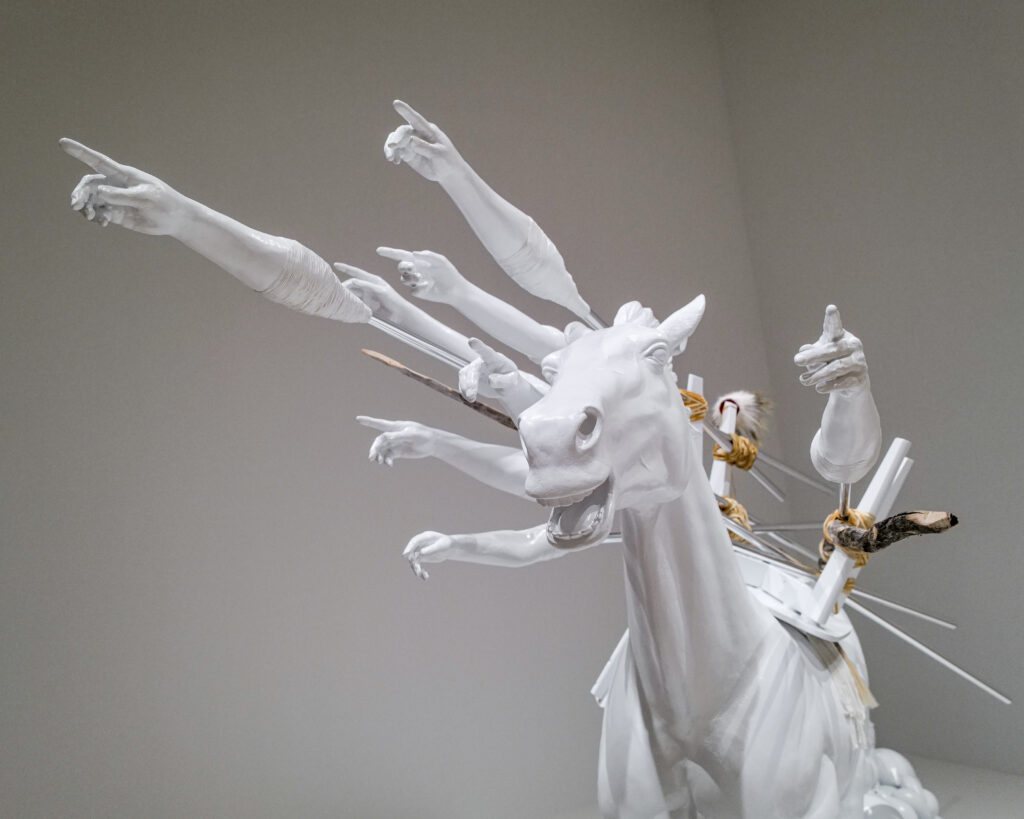
“CULTUS” by Zach Blas must be experienced IRL. With lights and a talking Oz head in a red globe surrounded by vibrating symbols, Blas delves into religious beliefs and the assumptions surrounding the unpredictable world of AI. The mega-multimedia piece is sinister and sensational and leaves me haunted. My favorite? “She Must be a Matriarch” by Anna Tsouhlarakis, a member of the Navajo Nation, who sculpted a giant white horse with hands pointing to heaven.
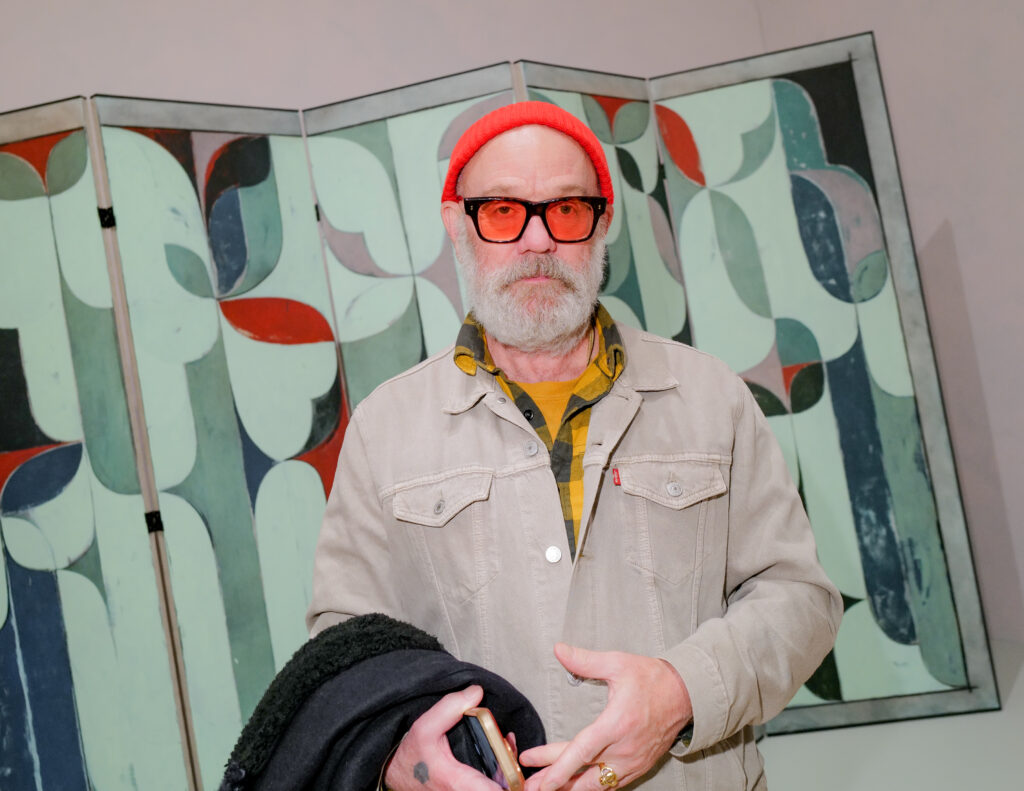
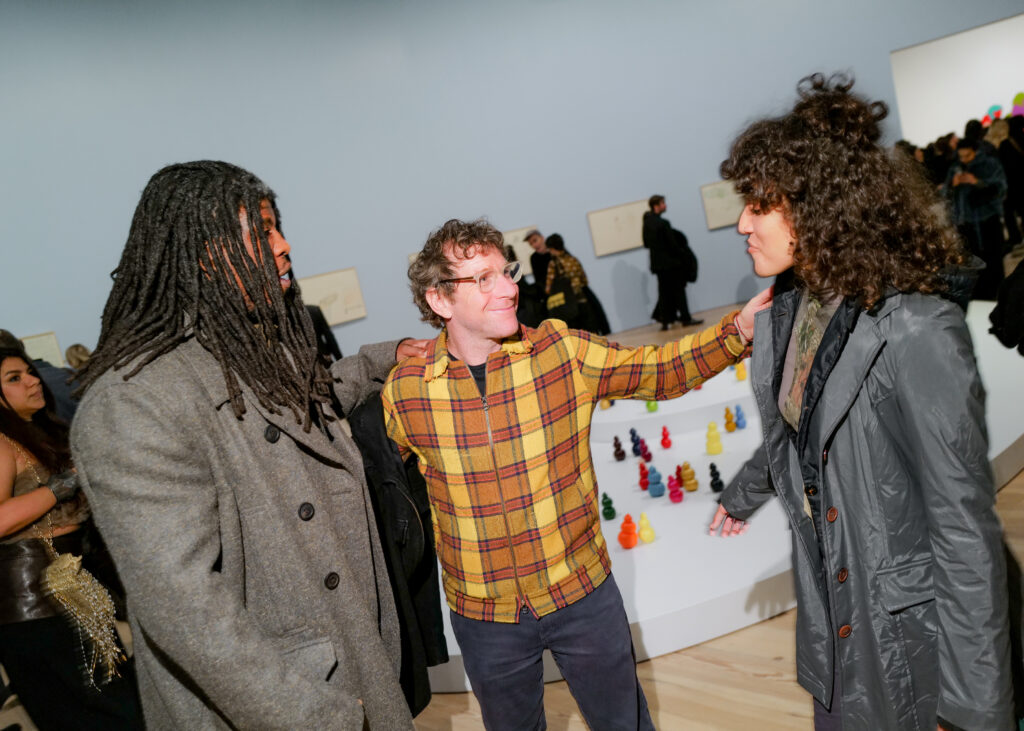
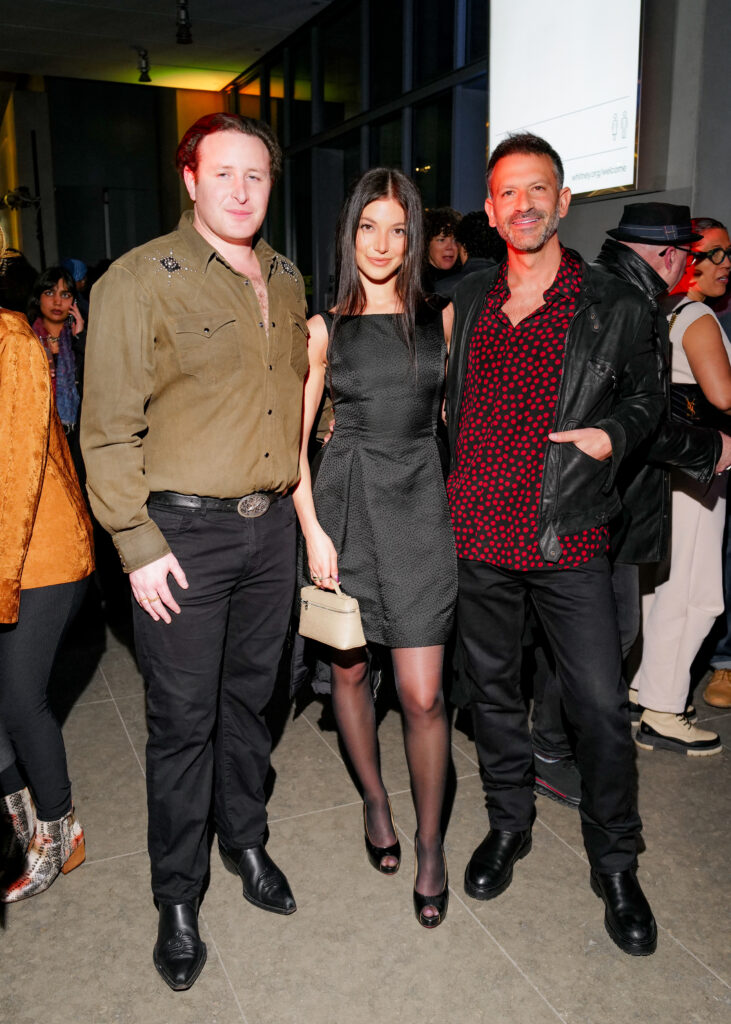
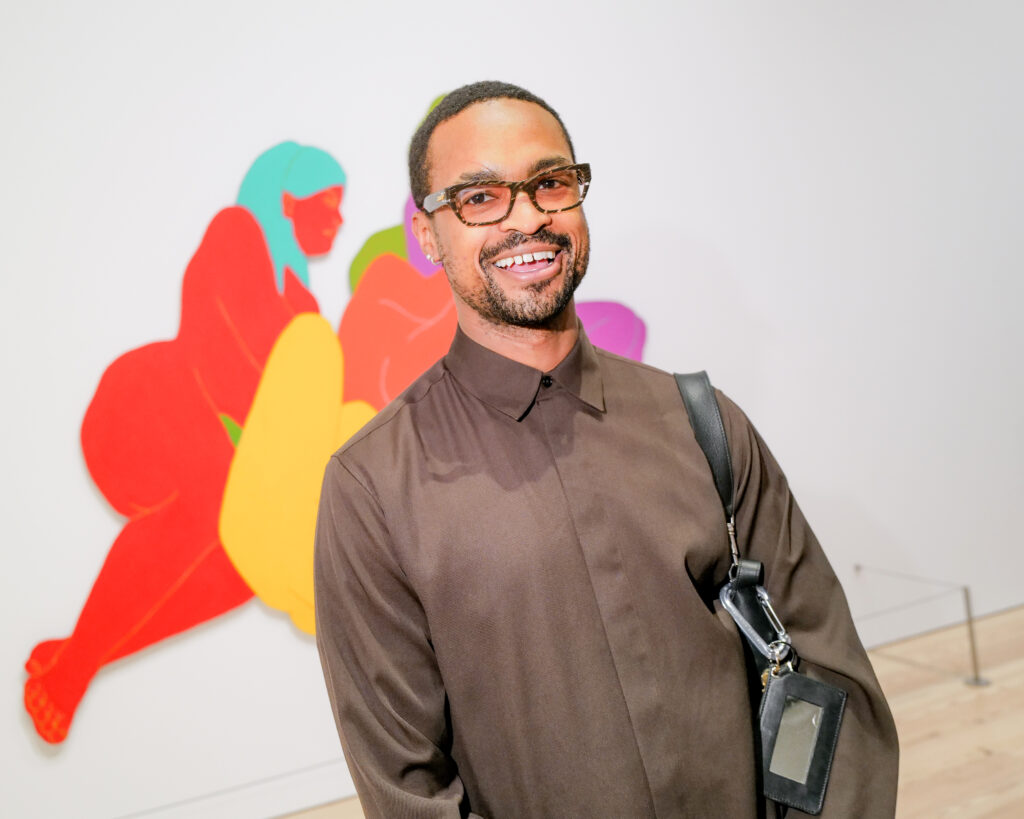
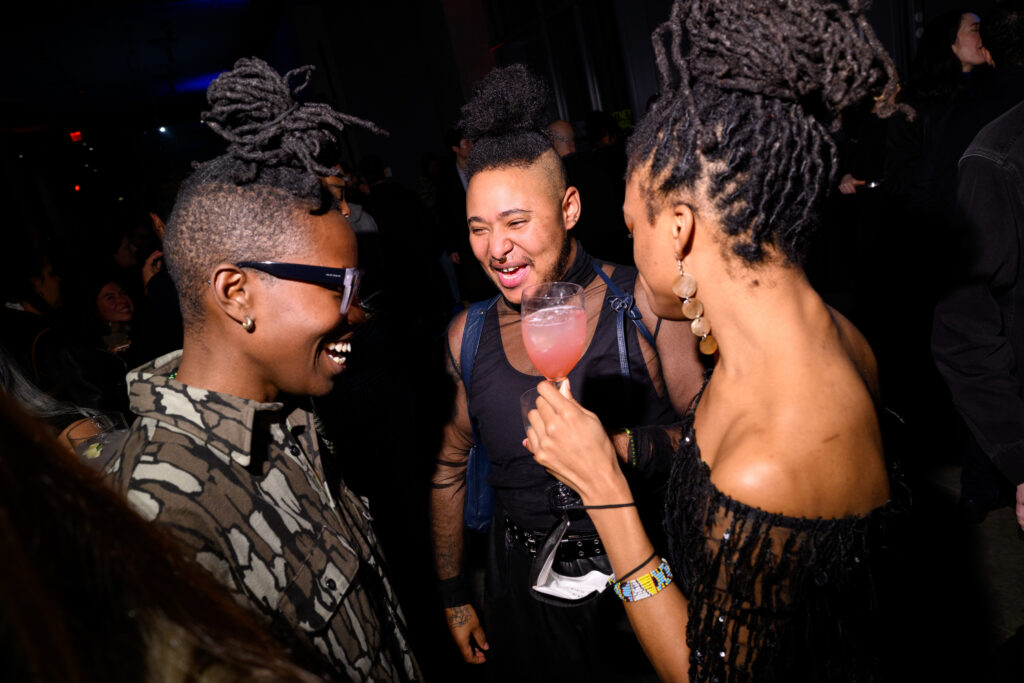
Whitney director Scott Rothkopf beams, greeting guests like the rock star Michael Stipe. I talk to Paul Arnhold, Molly Krause, Bailey Jane and Aspen Art Museum director Nicola Lees about how this year the Biennial feels like a conversation – uneven, generative, political and sometimes disquieting. ALEXANDER HANKIN



PHOTOGRAPHS BY BFA
