


“The biggest story is the story of my life, which is very, very wild and crazy and unpredictable. Nothing that anyone would suspect.”
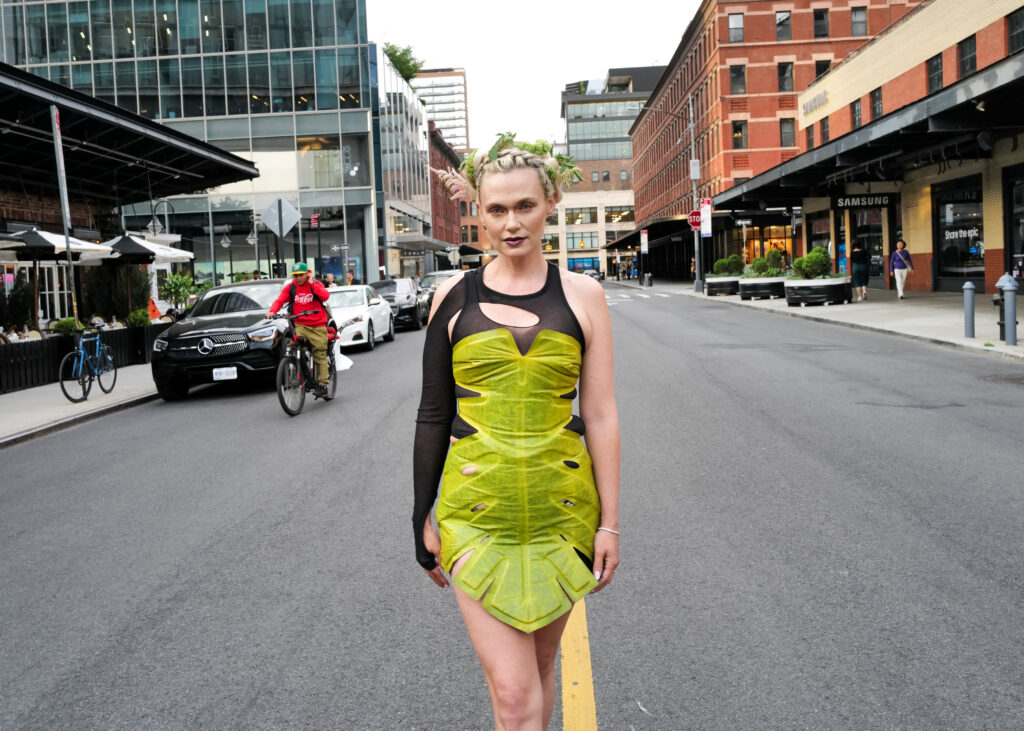
Hilde Lynn Helphenstein, the art world satirist also known as “Jerry Gogosian,” was found dead in her São Paulo hotel room this week. She was forty years old. JANET MERCEL remembers Helphenstein as a cultural agitator, relentless observer and uncompromising dreamer.
Last spring, I interviewed Hilde Lynn Helphenstein, aka “Jerry Gogosian,” the larger-than-life cultural provocateur for AVENUE. She told me she was just coming out of a much-talked-about internet detox – which she later apologized to her fans for being less than honest about. (Of course she hadn’t been totally off line.) She was circling some personal drama, and feeling pretty disillusioned about the art world, along with her place in it. I wrote in that story that she seemed “soft, raw and bruised, but in her usual blunt style, like she wants to talk about it.”
You can only fit so much into one magazine interview, and there was plenty we talked about that didn’t make it in the final draft. Plus, I felt protective of her. She was someone who was struggling to repair herself, and the world around her, and behind her tough trash-talking candidness, she seemed vulnerable, and more than a little heartbroken.
“I moved around the country and the world when I was sick. I had a neurological injury that came from a protracted benzodiazepine withdrawal. I was in a cult. Then sobriety.”
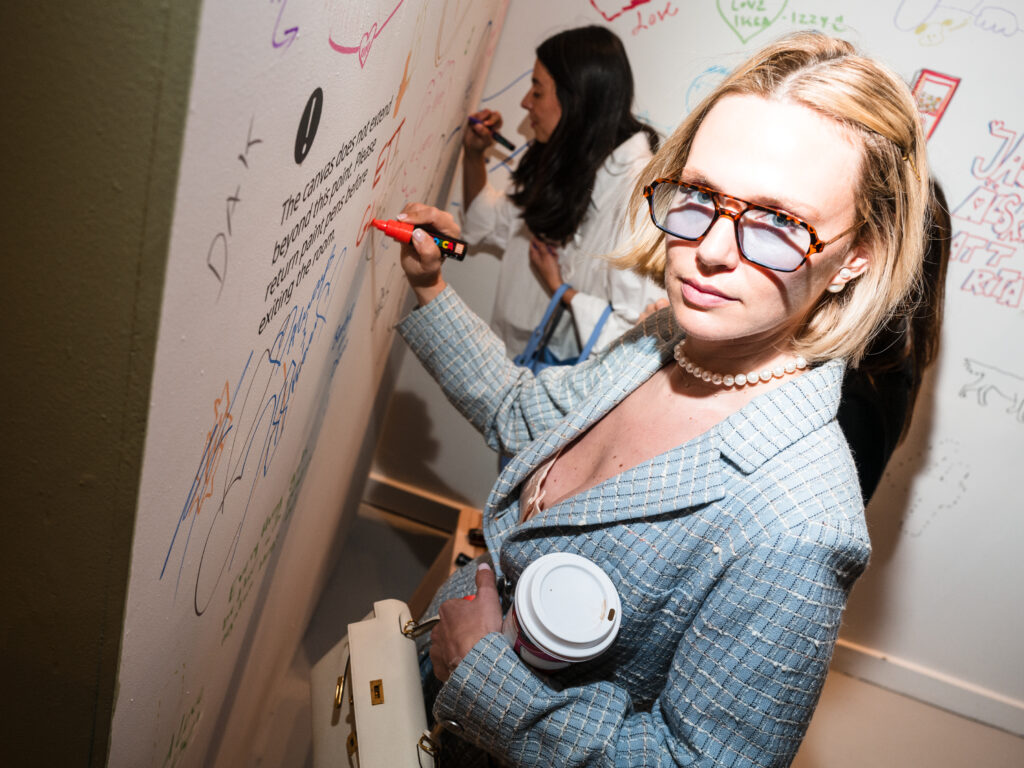
“I’m a writer first, that’s my main medium,” Hilde told me. She wanted to start a memoir. “Biographies are a hard sell in 2025, but I don’t know what else I’d write. I could do lifestyle pieces and art world stuff and what’s it like to be in the art world. But the biggest story is the story of my life, which is very, very wild and crazy and unpredictable. Nothing that anyone would suspect. I moved around the country and the world when I was sick. I had a neurological injury that came from a protracted benzodiazepine withdrawal. I was in a cult. Then sobriety.”
Hilde was also a working artist and gallerist; she launched “Jerry Gogosian”, her anonymous Instagram persona, in 2018 when she was 32. Hilde being Hilde, the anonymity didn’t last long, and the creator behind the account came bursting out, with technicolor opinions and poison-pill jabs at the cynical art world she inhabited. Since then, she grew increasingly leery of the “soul collection” that takes place in the industry.
“Art is in a moment where meaning is collapsing because there’s no rules,” she told me. “Art needs rules. There’s a lot of dull, stale, uninspired art – all the bad adjectives. It’s really just interior design. Which would be fine if people were honest about it, but they’re trying to tell you you’re too dumb to understand the manual,” she said. “I watched a Balenciaga video that was shot by Juergen Teller, and it was so condescending. It shows the artist’s disdain for the audience. There’s a lot of that happening right now, that teenage moment where you try to condescend because you’re repeating yourself, because the formula works, and you don’t want to be a one-hit-wonder. And now you hate your audience. But it’s disgusting because you’ll still take the money.” As an artist, creator, lover of artists, and consumer of art, she said, “That’s not the spiritual exchange I signed up for. I don’t hate my audience.”
“The art world mega structure is my spiritual enemy,” Hilde told me, explaining that when she embarked on working with large brands, it was nearly always a soul crushing experience, “I’m being asked to make so many compromises about whatever it is I believe in. They don’t even care about an artist who went to business school to try to help. They care about who comes from banks. And instead of going online and attacking Art Basel or Frieze, I took it out myself. All my insecurities came out. So, the system is working. But selling my own soul and to try and make something go forward – it’s not worth it to me. I would like to only take on projects that I have integrity for better or for worse.”
“It’s like the Wizard of Oz – you go down some crazy rabbit hole thinking someone must be coming to give you the answer, someone must know, and then you realize it was always in us. The answer is in you.”
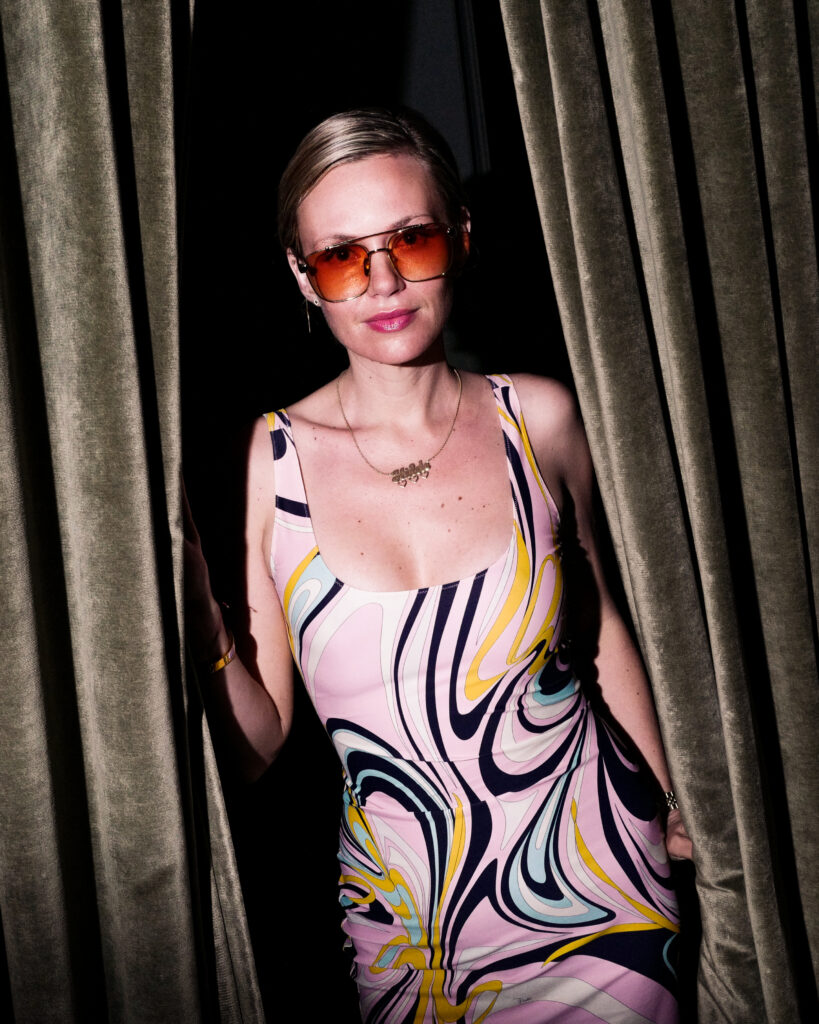
“One – if not all– of my stories could be turned into some sort of film or TV,” she said. “That’s what has to come next [for me]. I have to focus and lock into writing something, and maybe have a breakdown doing it, but I’ll find the answer. It’s like the Wizard of Oz – you go down some crazy rabbit hole thinking someone must be coming to give you the answer, someone must know, and then you realize it was always in us. The answer is in you.”
When Hilde’s interview was published, she told me she really appreciated the time I took to listen and hear her and to tell her story. It was, she said, “really thoughtful and cohesive,” and thanked me for including her.
I told her I hoped I’d run into her out and about sometime soon, and that I hoped we would get to continue our conversation. She didn’t say anything for a few minutes, and I thought she looked like she was about to cry. Then she said, “I’d like that.”
PHOTOGRAPHS BY BFA
