


Why New York’s busiest families are redefining what they expect from primary care.
For decades, successful New Yorkers have built teams to help them navigate life’s complexities. A financial advisor safeguards their future. A trainer keeps them strong. A therapist helps manage stress. A nutritionist fine-tunes performance. Childcare providers, attorneys, wealth managers—trusted experts have become part of the infrastructure of modern life.
Yet one relationship has quietly become increasingly difficult to find: a physician who truly knows you.
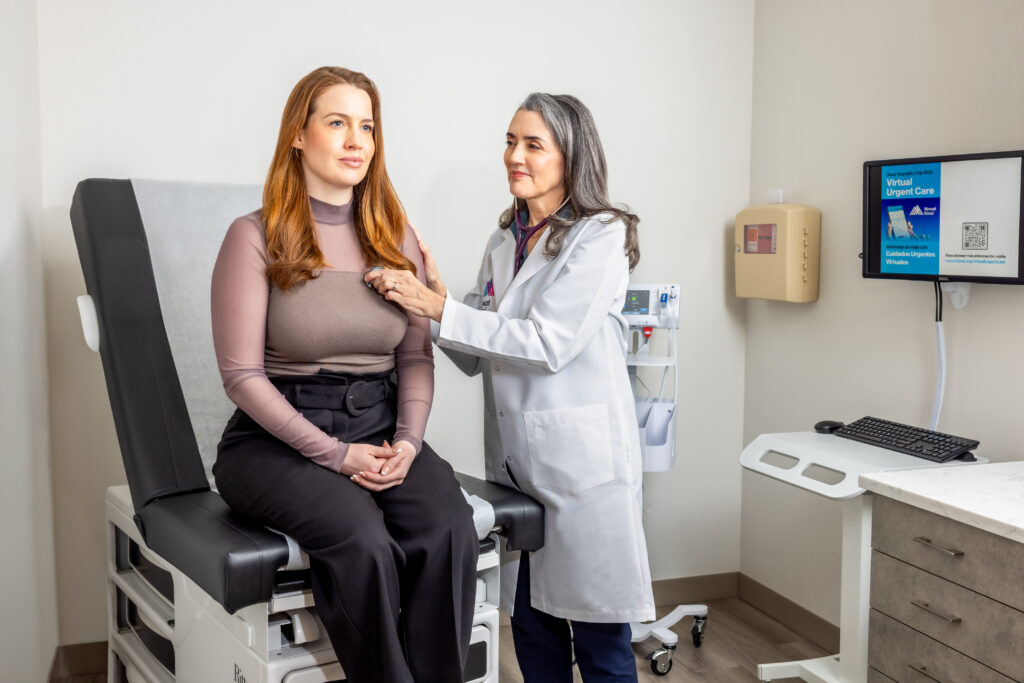
In today’s healthcare system, patients often move from specialist to specialist, repeating their history at every appointment while juggling referrals, imaging, prescriptions, and conflicting medical opinions. Annual physicals can feel rushed. Questions arise long after the office closes. When unexpected health concerns emerge, many people are left navigating uncertainty alone.
It’s one reason concierge medicine has become increasingly relevant—not as an expression of luxury, but as a response to the realities of modern healthcare.
“Patients consistently tell me the same things,” says Dr. Nicole Hadi, a primary care internist at Mount Sinai Doctors-Concierge Care. “They struggle to reach their physician when they have questions, appointments feel too brief, and they often feel like they’re coordinating their own care. People want to know there’s someone who understands their health and can help guide them through an increasingly complicated system.”
Beyond the Annual Physical
Medicine has become remarkably specialized, improving outcomes in countless ways. But greater specialization also means greater complexity.
A patient managing high blood pressure may also see a cardiologist, endocrinologist, gastroenterologist, dermatologist, gynecologist, and orthopedic surgeon. Each physician focuses on a different aspect of health, but few have the time—or responsibility—to see the whole picture.
That is where primary care becomes indispensable.
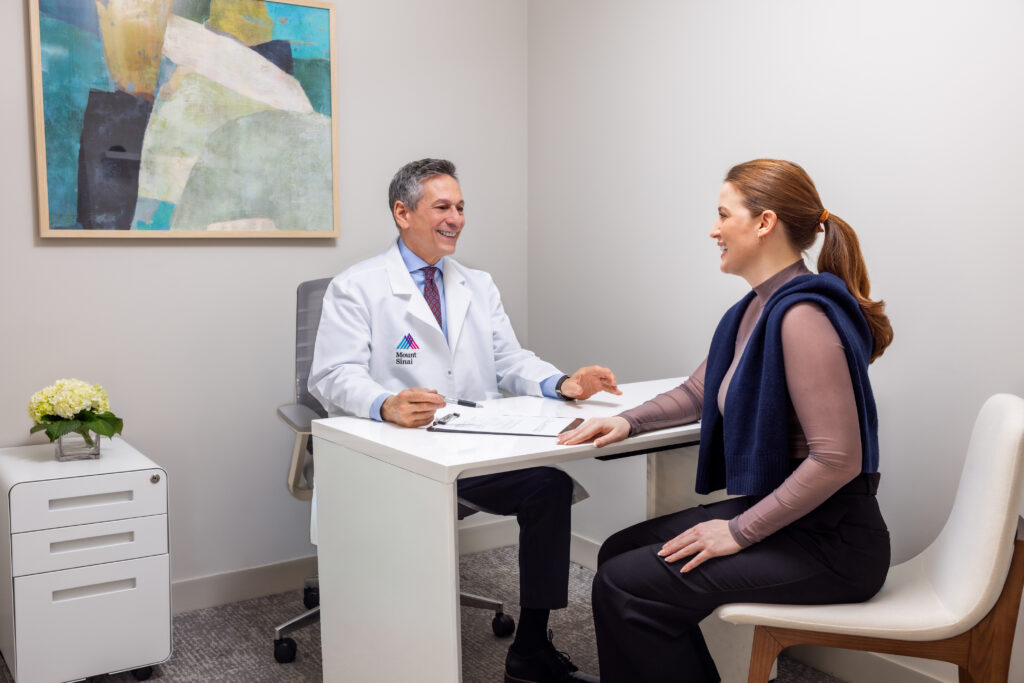
“I see my role as the coordinator of care,” Dr. Hadi explains. “Without effective coordination, patients risk duplicate testing, overlapping medications, or important details falling through the cracks. Connecting specialists and ensuring everyone is working toward the same goals is one of the most valuable parts of what I do.”
Increasingly, the primary care physician is less gatekeeper than quarterback—someone who helps patients make sense of an expanding medical landscape.

Knowing the Person, Not Just the Chart
Personalized medicine isn’t simply about genetics or advanced diagnostics. Often, it begins with understanding someone’s life.
A frequent international traveler has different healthcare needs than someone working from home. A parent caring for aging parents faces different challenges than a young entrepreneur building a company. Stress, family dynamics, work schedules, and travel all influence the recommendations that make sense for an individual.
“Medicine is never one-size-fits-all,” says Dr. Hadi. “The longer I know a patient, the better I understand their priorities, what motivates them, and what has or hasn’t worked before. That relationship allows me to give advice that’s truly personalized.”
Those relationships often reveal concerns that never appear in a medical record.
“When appointments aren’t rushed, patients eventually bring up the things they were hesitant to mention,” she says. “Mental health, sexual health, chronic stress—these conversations often happen only after someone feels comfortable. Sometimes the most important part of the visit begins halfway through.”

The Moments That Matter
The value of a trusted physician isn’t measured by the number of appointments. It’s measured by the moments when uncertainty suddenly enters someone’s life.
For Dr. Hadi, one patient stands out.
Following the loss of her mother, the patient developed severe health anxiety, worrying that every new symptom signaled something catastrophic. Rather than turning to internet searches that only intensified her fears, she reached out directly to her physician.
“She knew she could always contact me, no matter how small the concern seemed,” Dr. Hadi recalls. “Over time, simply knowing she had someone who would listen and take her seriously reduced that anxiety significantly. It gave her more space to focus on her family and her life.”
Those moments—an unexpected test result on a Friday afternoon, an illness while traveling abroad, or a confusing diagnosis requiring multiple specialists—often become the true measure of a physician-patient relationship.
Prevention Has Entered a New Era
Today’s patients are also thinking differently about staying healthy.
Five years ago, many visits centered on treating symptoms. Today, conversations increasingly focus on preserving health before disease develops.
“Patients aren’t just asking about weight anymore,” says Dr. Kristen Harvey, also a primary care internist at Mount Sinai Doctors-Concierge Care. “They’re asking about metabolic health, biomarkers, sleep quality, muscle mass, VO₂ max, and healthspan. People want to understand how to stay healthy over decades, not simply treat illness when it appears.”
Wearable technology, home testing, and constant exposure to health information have created a more engaged—but often more overwhelmed—patient.
“The challenge,” Dr. Harvey says, “is separating meaningful science from marketing.”
Rather than dismissing emerging therapies, she encourages patients to ask a different question.
“I reframe the conversation from ‘Does this work?’ to ‘What’s the mechanism, and how strong is the evidence?’ Some ideas are supported by excellent research but are oversold. Others sound compelling but simply don’t have enough data yet. Patients appreciate honest conversations about what’s promising, what’s proven, and what still needs more evidence.”
In many ways, proactive medicine has become less about annual checklists and more about understanding trends over time.
“It’s knowing someone’s baseline well enough to recognize subtle changes before they become disease,” Dr. Harvey explains. “Looking at biomarkers year after year, discussing sleep, stress, nutrition, movement, and recovery—those conversations are where prevention really happens.”
Who Is Concierge Care Really For?
The traditional image of concierge medicine often centers on exclusivity, but physicians say their patient panels tell a different story.
Executives balancing demanding schedules. Entrepreneurs managing relentless travel. Parents coordinating healthcare for multiple generations. Individuals living with complex medical conditions. Healthy people who simply value prevention and continuity.
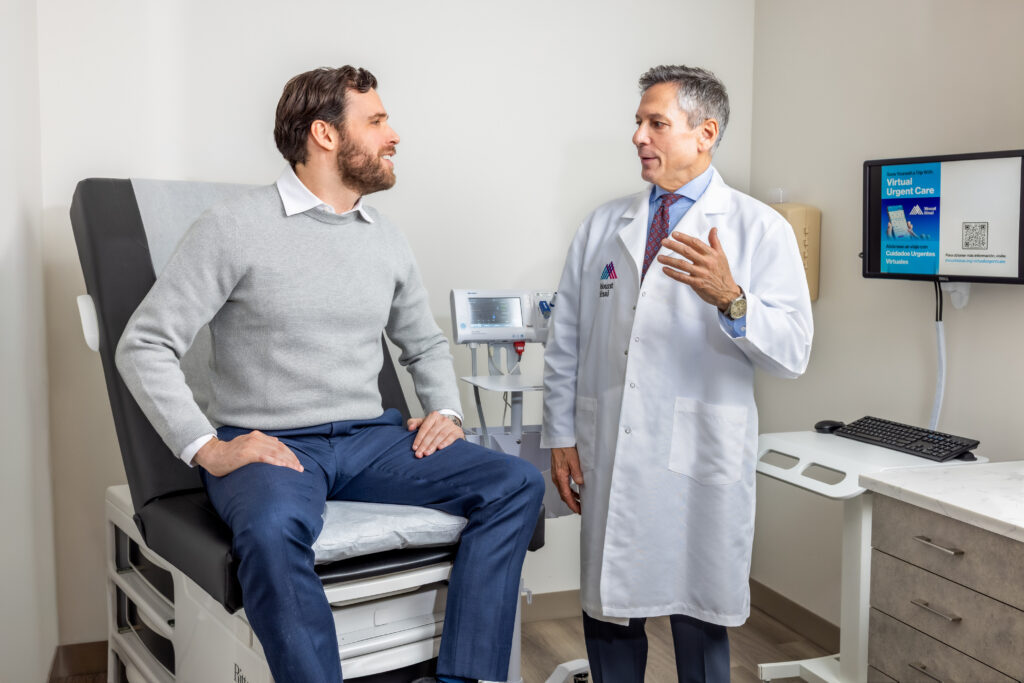
“My patients are incredibly diverse,” says Dr. Hadi. “Some are exceptionally healthy but don’t have time for fragmented healthcare. Others have complicated medical histories and want more support. Some travel constantly and need a reliable medical home base. What they have in common is that they value having someone who knows them.”
Perhaps the greatest misconception, she says, is that concierge medicine is only for people with extraordinary needs.
“In reality, anyone benefits from having a physician who knows them well. That relationship becomes invaluable long before a medical crisis ever occurs.”

A Relationship Worth Investing In
Medicine continues to evolve, becoming more sophisticated and more specialized each year. But amid advances in technology and precision diagnostics, one of healthcare’s oldest principles remains remarkably relevant: relationships matter.
“If I could change one thing,” Dr. Hadi says, “it would be how people think about the physician-patient relationship. Like any important relationship, it grows over time. Even when you’re healthy, maintaining that connection means that if something unexpected happens, your physician already understands your life, your priorities, and your health.”
In a city where New Yorkers carefully curate trusted advisors for nearly every aspect of life, perhaps the most valuable member of the inner circle is the one who knows not only your medical history—but your story.
_________________________________________________________________________

About Mount Sinai Doctors-Concierge Care
Mount Sinai Doctors-Concierge Care offers a modern approach to primary care in New York City, combining the personalized attention of a dedicated physician with the depth and expertise of one of the nation’s leading academic health systems. Through a membership model built on time, access, and continuity, board-certified physicians develop lasting relationships with members, providing comprehensive preventive care, coordinating onsite and system-wide specialty services, and guiding health decisions through every stage of life.
With longer appointments, convenient 24/7 physician access, seamless care navigation, and direct connections to Mount Sinai’s world-class specialists, hospitals, and research, Mount Sinai Doctors-Concierge Care delivers an experience centered on proactive, evidence-based medicine—helping members stay healthier today while investing in their long-term well-being.
