


“Writers receive so many scam emails. I knew I was shortlisted and that it probably wasn’t a scam. And I just wrote a book about scams, so I told myself don’t be too overdramatic.” – Carlos Barragán, author of The Yahoo Boys
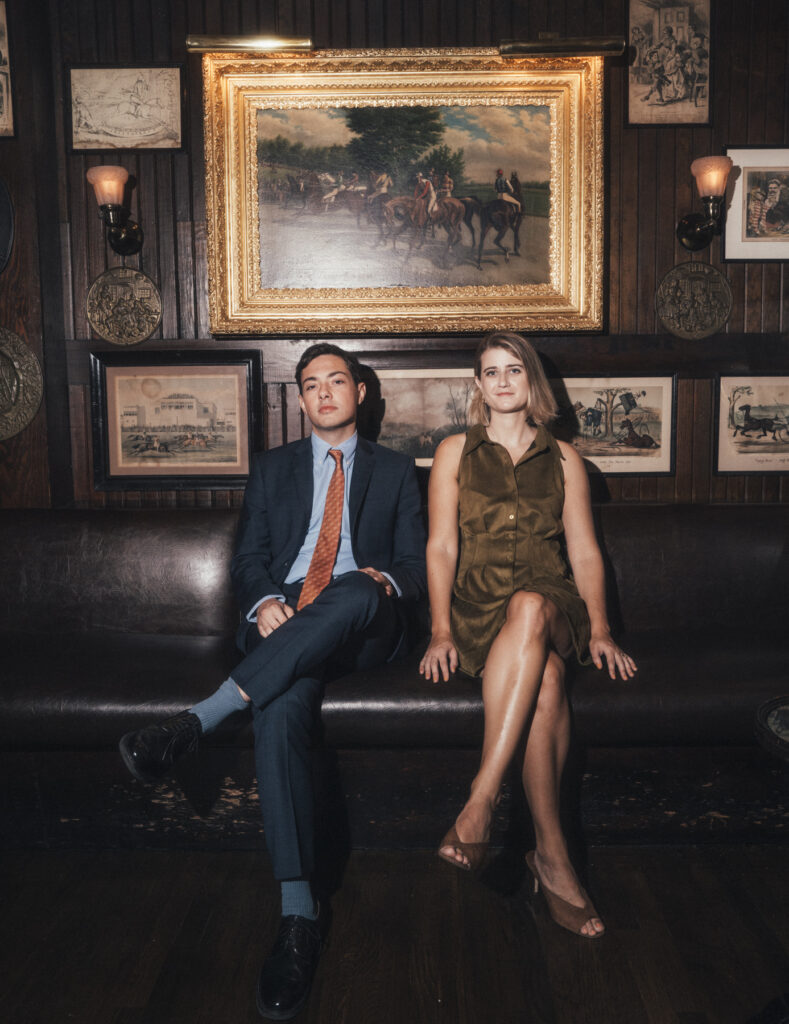
Did Tom Wolfe save journalism? Depending on who you ask, he saved it from dullness by bringing the splash of New Journalism into a personality-free zone of midcentury media. Saved it from losing all talented writers to more literary pursuits, and from the threat of television canceling out print. If the landscape for written reportage is even more at risk today than in the 1960s, we’re not worried — the Air Mail Tom Wolfe Literary Prizes are here to save it again.
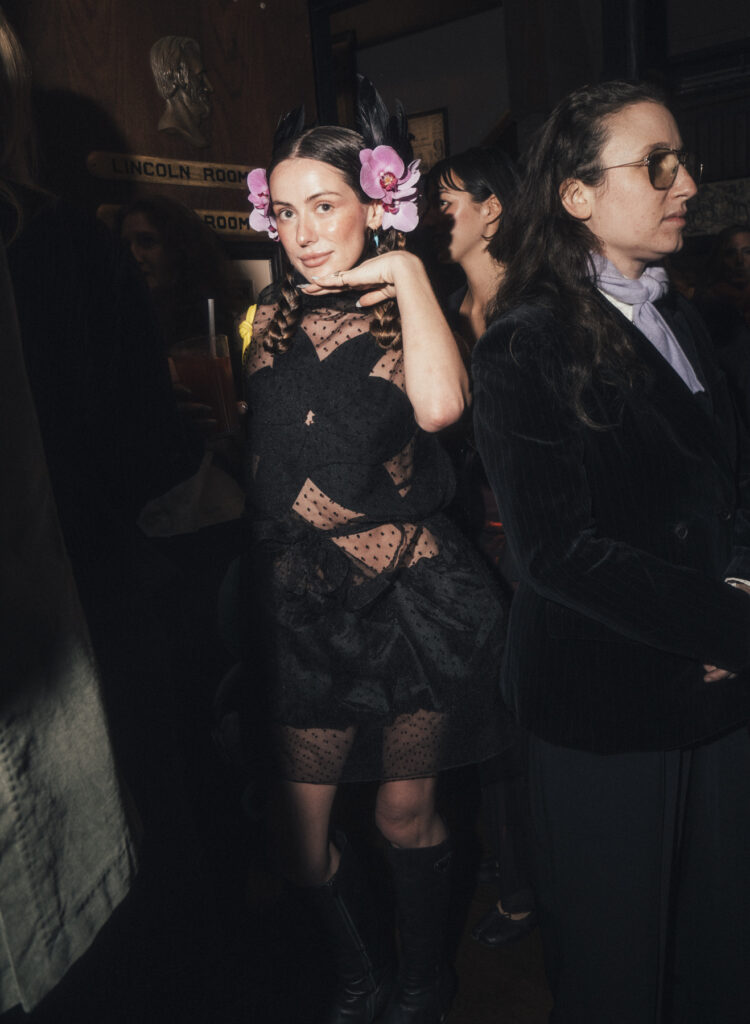
On Tuesday, the literati of New York piled into the second floor of Keens Steakhouse to celebrate the winners: novelist Sarah Anderson and nonfiction reporter Carlos Barragán. People’s adjectives for Tom Wolfe fly thick and fast around the crowd: “debonair,” “brilliant,” “very stylish,” “dapper,” “iconic,” “exciting” and, courtesy of Patricia Clarkson, “hot.”
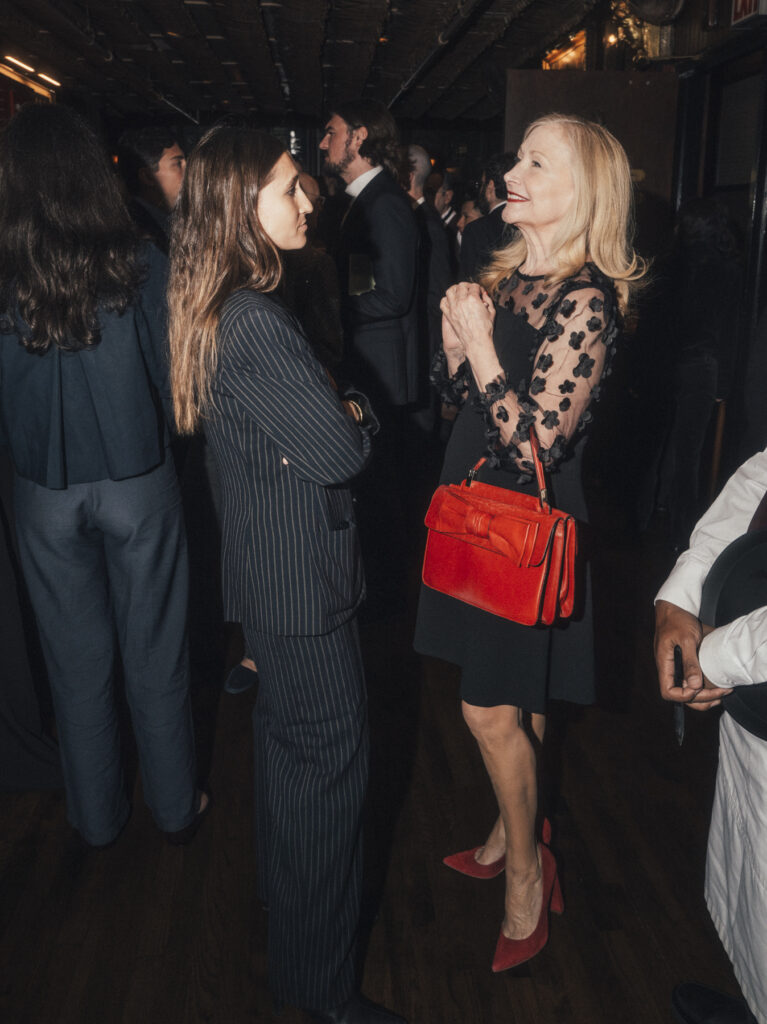
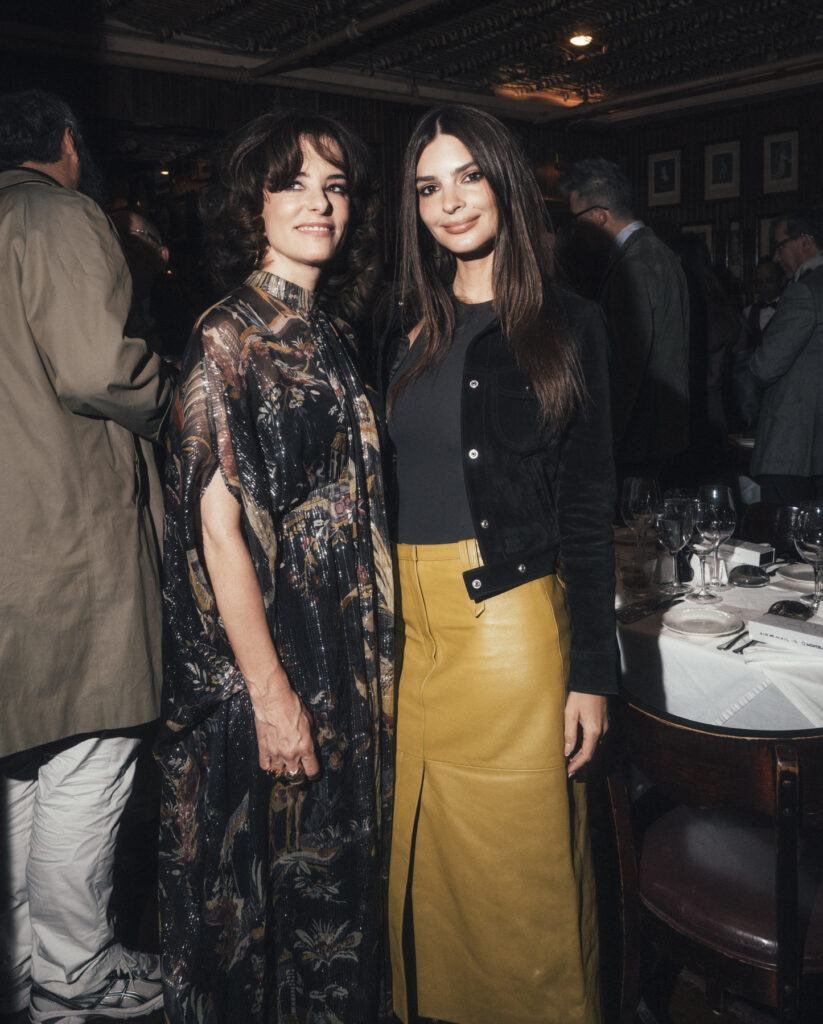
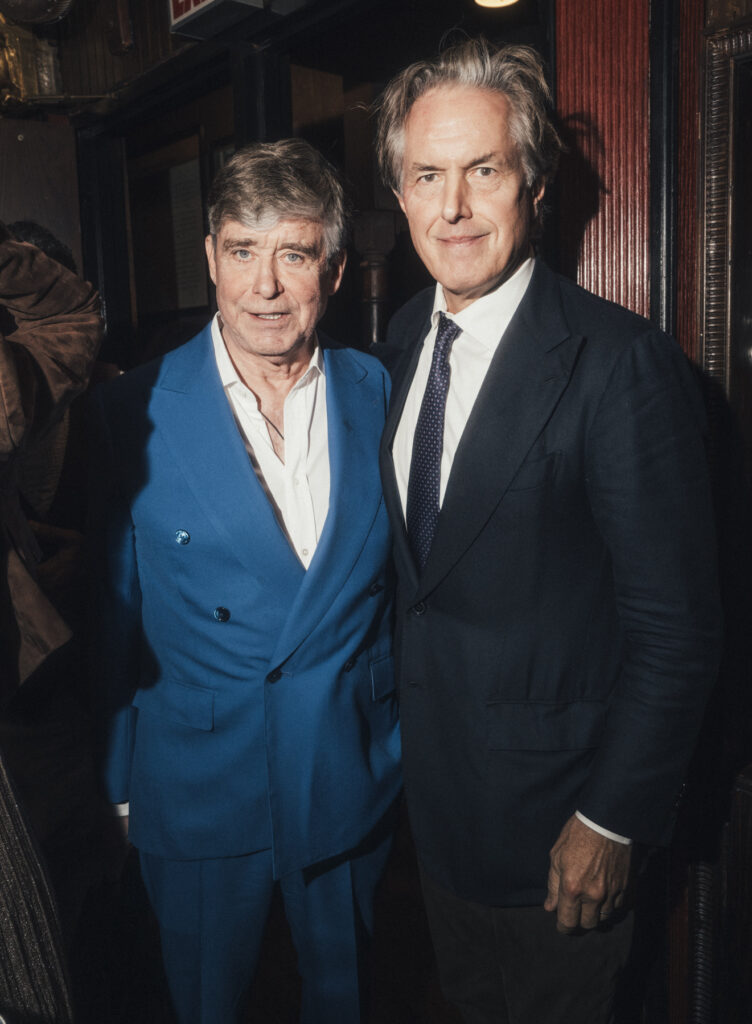
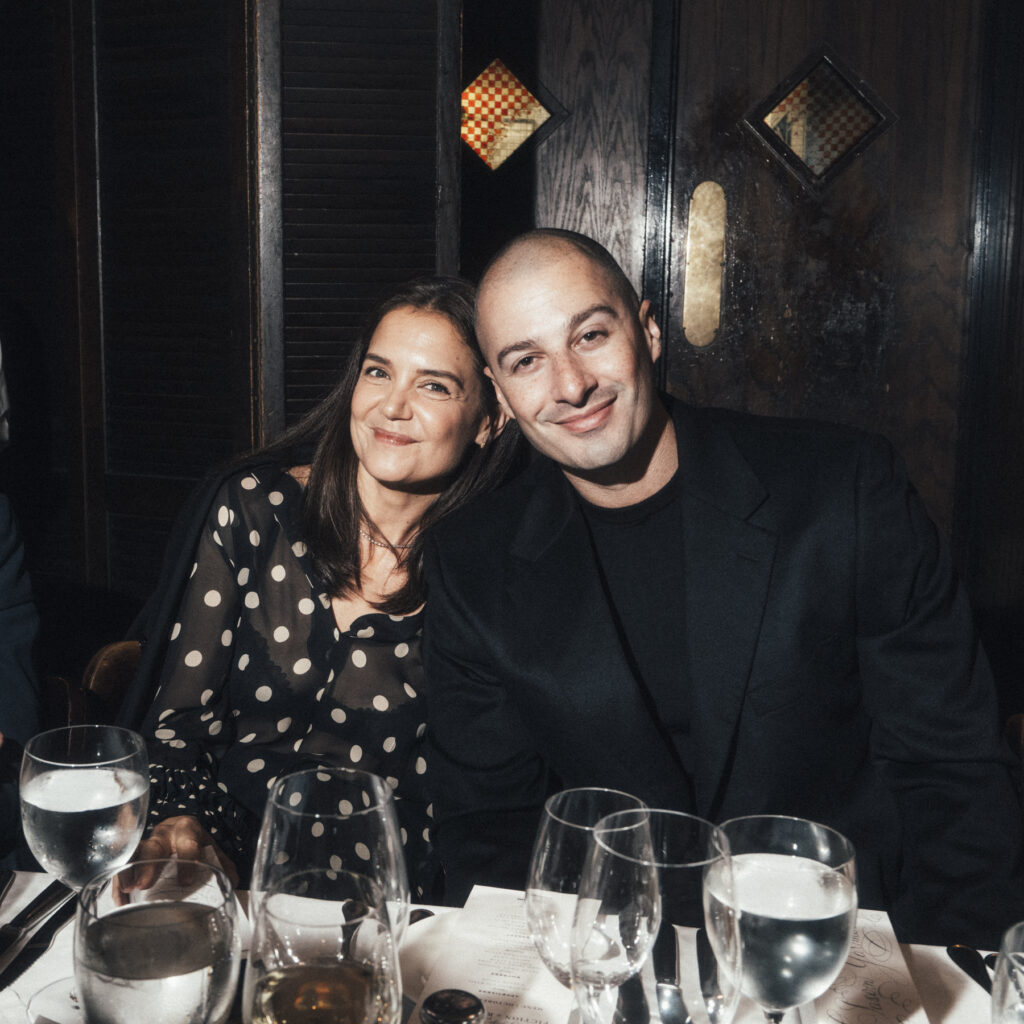
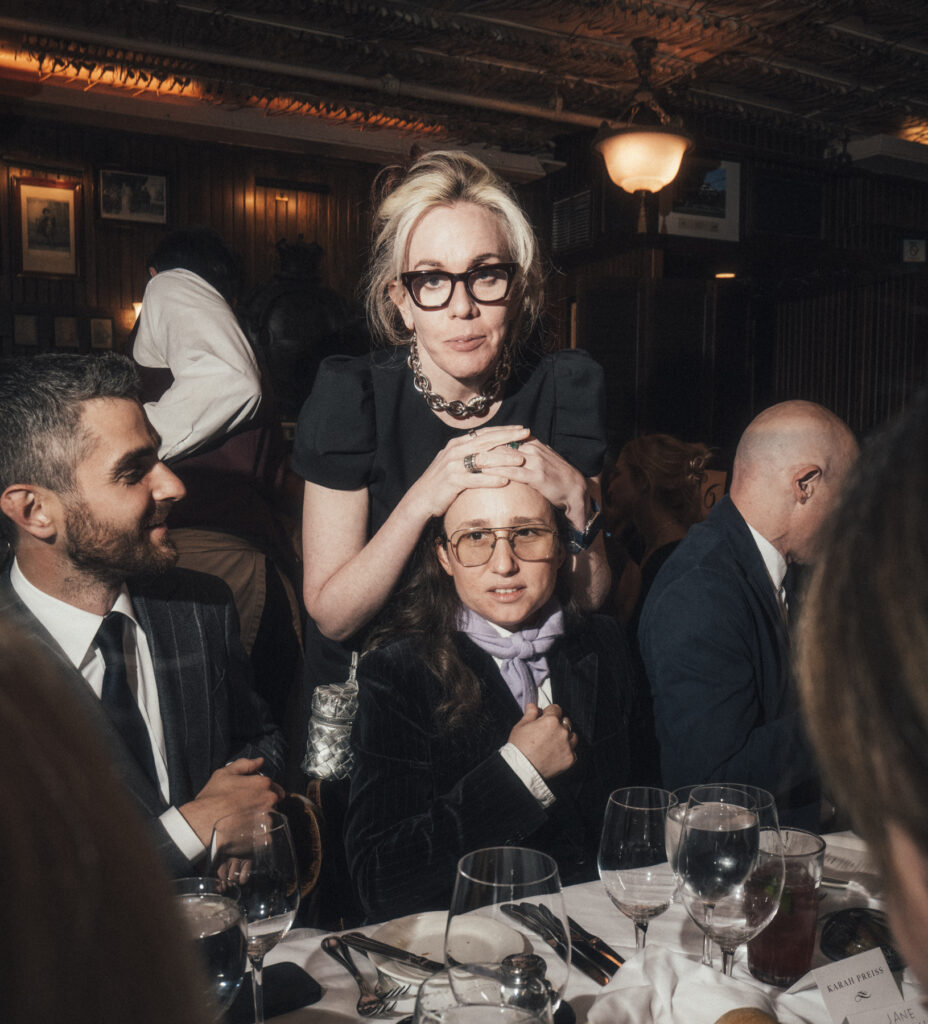
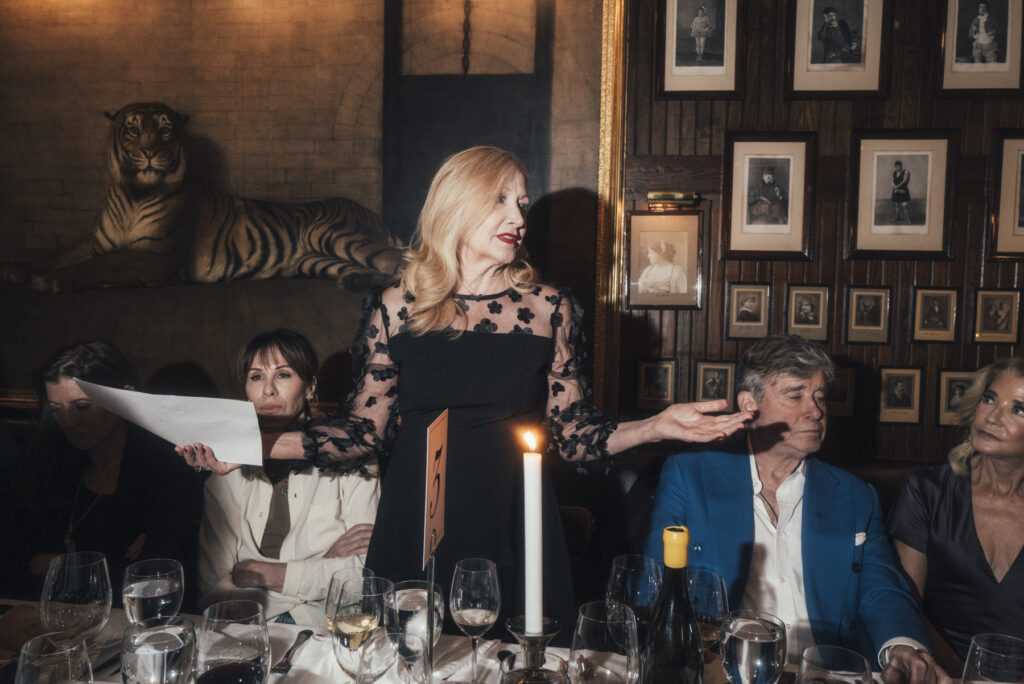
So is the crowd. Clarkson announces she would have liked to know what Wolfe looked like underneath his signature white suit. Parker Posey mugs with legendary calligrapher Bernard Maisner. Katie Holmes and her boyfriend, the artist Jason Bard Yarmosky, mill around with Jay McInerney, Molly Jong-Fast, Sarah Hoover, Sloane Crosley, the super agent Lynn Nesbit and photographer Hunter Abrams. Alexandra Wolfe and her mother, Sheila Wolfe, welcome everybody from under Alexander Pope’s gargantuan tiger portrait. Barragán mused, “Keens is the kind of classic restaurant I’ve passed by many times and wondered, what kind of person goes here anymore?” Apparently everyone, and each doing their part to save the written word.
In their second year, the awards are meant to champion a braver sort of writing than publishing today is comfortable with. The play-it-safe philosophy is part of a broader cultural arena, where “money is going to big box-office sequels instead of awarding originality,” says Air Mail editor Julia Vitale. “The writing world now is shifting away from the SEO stuff, which we never really trafficked in.” She adds, “People can read AI summaries of anything they want, but it’s only going to repeat what’s already out there. This is our reaction to that, focused on the book sphere.”
Wolfe’s namesake awards reward independent thinking, and champion the kind of skill that can bring readers back to long form. For Vitale, the integrity of words is paramount. “I was trained in the old-school way,” she says. “Under Graydon [Carter], I can’t imagine any other way.”
Barragán’s new book, The Yahoo Boys, delves into the lives of a group of Nigerian romance scammers and is exactly the kind of storytelling that dares to look at both sides of the coin, giving an unexpected perspective on something we thought we knew — even if it left him a bit jaded. “Writers receive so many scam emails,” he says. A New York Times journalist, he was at his office in Madrid when he received the email that he’d won the prize. “I knew I was shortlisted and that it probably wasn’t a scam. And I just wrote a book about scams, so I told myself don’t be too overdramatic.”
“The messy parts that might freak people out, I think are the most interesting parts of the book.” Fallow author Sarah Anderson
The award was real, of course, as was one of his favorite moments of the evening: “a long conversation with Tom Wolfe’s family, when his daughter told me that he would have loved my book, and that he would have talked for hours about it,” Barragán says. “That was not on my bingo card.” After discovering the author at age 18 or 19, Barragán scoured the public library for the yellow-bound Spanish editions of Wolfe’s work, starting with The Bonfire of the Vanities in translation. “I was so dazzled, by the words, his obsessions with status. Then I read it again.” He adds, “It’s much better in English. I had never lived in New York before. Bonfire was my first visit.”
“I had read Bonfire in college and loved it,” says Anderson, author of the winning satirical novel, Fallow, which centers on a world-weary Gen Z’er who offers her body to a tech company for a career of surrogacy. “I haven’t read as many classics as I would like. I’ll come to something later, and then be like, ‘Guys, have you read this? It’s so great.’ And people will be like, ‘Yeah…it’s a classic.’”
Tom Wolfe never shied from pushing people’s buttons, but for a modern debut author, what’s it like dealing with a public that seems easily riled by nearly everything? “I didn’t write [Fallow] with the intent of pissing people off,” Anderson says. “I wasn’t thinking about the reception from an audience while I was writing it. And the messy parts that might freak people out, I think are the most interesting parts of the book. Another writer told me that it’s never the things you think that will end up upsetting people. That’s been very true.”
From Barragán’s point of view, if you’re not getting under anyone’s skin, you’re not doing your job. “If I’m honest, I’m very jealous of writers who have had trouble in the past with certain people,” he says. “You have a responsibility to tell the truth.” In both Wolfe’s fiction and non, every character “smells of reality and truth,” Barragán says. He adds, “He belongs to a literary tradition of picking fights with everyone. I hope I have the opportunity to pick up a few enemies along the way.”
– JANET MERCEL
PHOTOGRAPHS BY DANIEL PAIK
